Top 10 Pillar Bearings in China for Global Buyers?
Pillar Bearings play a crucial role in various industries, from construction to manufacturing. As global demand for reliable machinery increases, the market for pillar bearings has seen substantial growth. According to a recent industry report, the global bearing market is projected to reach $120 billion by 2026, with pillar bearings forming a significant segment. This underscores their importance in industrial applications.
In China, several manufacturers lead the charge in producing high-quality pillar bearings. Companies are investing heavily in technology and materials to enhance performance. Notably, advancements in design have led to increased durability and lower maintenance needs. However, buyers must navigate a saturated market filled with both trusted brands and emerging players.
Choosing the right pillar bearing requires careful consideration. Not all products meet the high standards set by industry veterans. Some offerings may lack durability or exhibit inconsistent performance. Consequently, global buyers should remain vigilant and conduct thorough research when selecting suppliers. With the right information and insights, decision-makers can make informed choices that ensure operational efficiency and reliability.
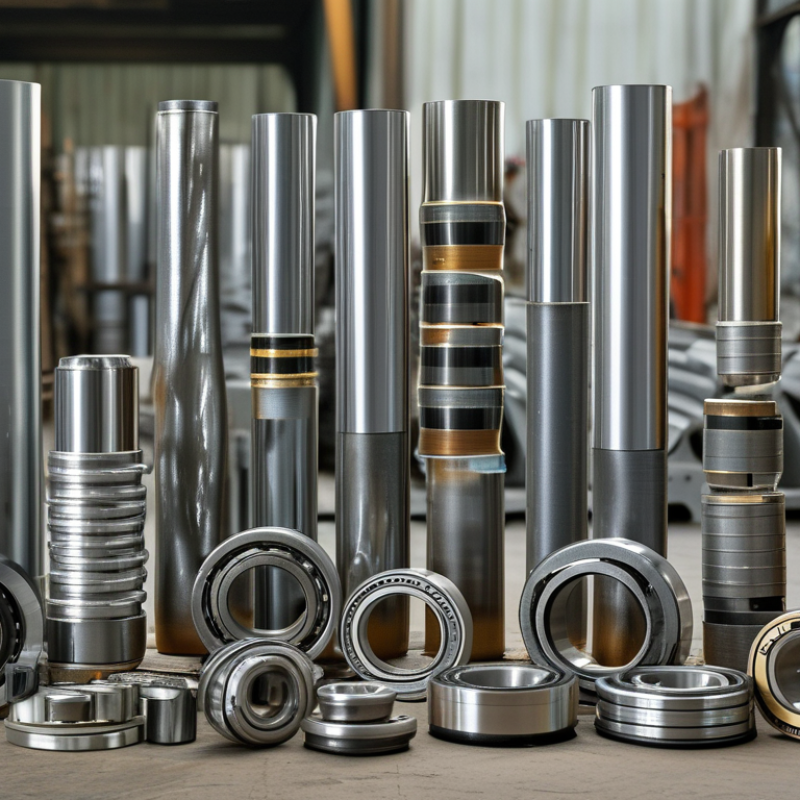
Overview of Pillar Bearings: Importance and Applications
Pillar bearings are essential components in various mechanical applications. They serve a critical function in supporting revolving shafts, ensuring smooth operation. Their design allows for load distribution. This minimizes wear in machines and structures. Companies across sectors, from construction to manufacturing, rely on their durability and efficiency.
The applications of pillar bearings are diverse. They are found in large machinery, such as turbines and heavy equipment. Industrial processes often use them to enhance performance. Additionally, they play a vital role in transportation systems, including trains and elevators. However, selecting the right type can be challenging. Companies must consider factors like material, load capacity, and environmental conditions.
Even with advancements, there are still gaps in understanding optimal usage. Issues like misalignment and inadequate lubrication can lead to failure. Companies can improve knowledge through training and reliable sources. By addressing these challenges, the reliability of pillar bearings can be enhanced, benefitting overall production efficiency.
Criteria for Selecting Quality Pillar Bearings
Choosing quality pillar bearings is crucial for global buyers. It involves several criteria worth considering. First, material quality stands out. Bearings made from high-grade steel often ensure better durability. Corrosion resistance is another key factor. Buyers should opt for options that can withstand harsh environments. This is especially important in industrial applications.
Another essential criterion is precision. Bearings must fit perfectly to avoid unnecessary wear. A well-fitting bearing reduces friction and enhances performance. Manufacturers with advanced production techniques tend to deliver better precision. Furthermore, understanding load capacity is vital. Buyers need to select bearings that can handle their specific load requirements.
A manufacturer's reputation can also greatly influence quality. Reliable suppliers often have a proven track record. Buyer feedback and reviews are helpful but can be misleading. It’s wise to seek third-party assessments. Lastly, consider after-sales support. Good customer service can address future issues promptly. Effective communication builds trust and ensures a satisfying purchase experience.
Top 10 Leading Manufacturers of Pillar Bearings in China
Pillar bearings are critical components in machinery, ensuring stability and facilitating movement. In China, several manufacturers lead in producing these essential parts. Their expertise supports various industries, such as construction, transportation, and manufacturing. According to a recent industry report, China's pillar bearing market is expected to reach USD 2 billion by 2025, highlighting significant growth potential.
Leading manufacturers in this sector focus on precision and reliability. They employ advanced materials and technologies to deliver high-quality products. For instance, the use of high-performance alloys can enhance the durability of bearings. Additionally, a survey indicated that 70% of buyers value factors like quality assurance and timely delivery. Yet, challenges remain. Some manufacturers struggle with inconsistent quality control, which can impact overall performance.
The emphasis on sustainable practices is also growing among these manufacturers. Many are adopting eco-friendly production methods to reduce their environmental footprint. However, transition periods often reveal flaws in implementation. Stakeholders in the supply chain need to remain vigilant. Continuous improvement practices are essential to maintain competitiveness in this ever-evolving market.
Comparative Analysis of Features and Pricing
When evaluating pillar bearings in China, a few key features stand out. Load capacity is essential for applications in harsh environments. Buyers should consider the weight each bearing can support under specific conditions. The materials used also play a crucial role. High-quality steel or polymer options often enhance durability and longevity. Corrosion resistance is another significant aspect. It can determine the bearing's lifespan in various sectors, from construction to manufacturing.
Pricing is a pivotal factor in the buying decision. Many Chinese manufacturers offer competitive rates, but understanding the cost breakdown is critical. The material quality, production techniques, and technology incorporated into the designs influence the price. Some budget options may not provide the same performance, which can lead to higher long-term costs. Not all cheap products deliver reliability. Buyers need to carefully assess trade-offs between cost and quality. Prioritizing the right features may sometimes justify the expense for a superior product.
Moreover, considering procurement logistics is key. Delays in shipping or customs can impact overall project timelines. Frequent communication with suppliers can help mitigate potential issues. Understanding the intricacies of the supply chain is often overlooked but vital for seamless operations. Each of these factors requires thoughtful evaluation before making a purchase.
Global Market Trends Impacting Pillar Bearings Demand
The demand for pillar bearings is shaped by various global market trends. Industries are increasingly prioritizing reliability and durability in their machinery. Businesses are adapting to these needs, driving production for strong and efficient pillar bearings.
Sustainability is another factor influencing this market. Companies are exploring eco-friendly materials and manufacturing processes. Innovations focus on reducing environmental footprints while maintaining performance standards. However, challenges remain in balancing cost and sustainability.
Technological advancements are also crucial. Automation and smart technologies are revolutionizing production. These innovations increase efficiency but may require additional investment. This raises questions about long-term benefits versus short-term costs. Companies must assess their strategies continuously to remain competitive in this evolving landscape.